UCEED Mock Test : Sanyukta Singh STudio
Ask any UCEED topper how they prepared, and mock tests will come up almost every time. Not textbooks. Not YouTube lectures. Mock tests. There's a reason for that. You can understand every concept in your syllabus perfectly and still freeze up on exam day if you've never actually sat through a full-length paper under real time pressure. That gap between "knowing the syllabus" and "performing on exam day" is exactly what a UCEED Mock Test is meant to close.
We've been coaching design aspirants at Sanyukta Singh Studio for years now, and honestly, the pattern is pretty consistent. Students who take mocks regularly end up calmer in the exam hall and score better, even when their raw knowledge level is similar to someone who skipped this step. It's less about talent and more about repetition.
What Actually Happens When You Skip Mock Tests.
UCEED isn't just a knowledge test. It checks how fast you think, how well you read visual patterns, and whether you can manage 300+ questions without running out of time halfway through. None of that comes naturally. It's built through practice, specifically the kind of practice a real UCEED Mock Test gives you.
Here's what tends to happen if you skip this part of prep: you know the answer to a question, but by the time you find it, you've burned four minutes you didn't have. Or you get stuck on one tricky visual reasoning question and panic your way through the rest of the section. These aren't knowledge problems. They're exam-temperament problems, and mock tests are really the only fix.
A good mock test routine does three things for you:
- Gets you used to the actual pacing and pressure of UCEED, so nothing feels new on the real day
- Shows you where you genuinely stand, section by section, instead of a vague "I think I'm okay" feeling
- Trains you to move fast through easier questions and hold back time for the harder analytical and visual ones
That last point matters more than most students realize until it's too late.
Not All Mock Tests Are Built the Same.
Here's something worth knowing before you attempt just any random test series online — generic aptitude platforms usually don't understand what UCEED's Design Aptitude section is actually testing. They'll give you logical reasoning questions dressed up as design questions, and that's not the same thing at all.
A properly built UCEED Mock Test should match the real exam pattern closely: NVS, VARC, Design Aptitude, and Analytical & Logical Reasoning, all timed the same way the actual paper is timed. It should also come with a breakdown afterward — not just a score out of 300, but where exactly you lost time, which section pulled your accuracy down, and how that compares to your last few attempts.
That kind of detail is what turns a mock test from a "practice paper" into an actual improvement tool.
Taking Your UCEED Online Mock Test .
A lot of our students are juggling school, coaching, and travel, so sitting for a physical test every time isn't realistic. This is where a UCEED online mock test becomes genuinely useful — you log in whenever your schedule allows, attempt a full paper under real timing conditions, and get your results the moment you finish.
The whole point of a UCEED online mock test is convenience without cutting corners on quality. You're not skipping the exam-like pressure just because it's online; you're just removing the hassle of travelling somewhere to get that same experience. For most students preparing from home or from another city, this ends up being the more consistent option simply because it's easier to stick to.
At Sanyukta Singh Studio, our test series is put together by mentors with NIFT, NID, and IIT backgrounds, so the difficulty and question style stay close to what UCEED actually throws at students, not a watered-down version made for a generic audience.
What To Do After You Finish a Mock Test.
This part gets skipped more often than it should. Taking the test is maybe half the value. The other half comes from what you do with the results afterward.
Go back through every question you got wrong, not just to see the correct answer, but to understand why you got it wrong in the first place. Was it a concept gap, or did you just run out of time? Those two problems need completely different fixes. Track how long you're spending on visual and analytical sections separately, since these are usually where most of the time gets lost. And a few days later, retest that same weak topic in a shorter format to check whether it's actually fixed or you just got lucky the second time.
Do this consistently across every UCEED Mock Test you attempt, and your progress stops being a guess. You'll actually see it.
Who Should Be Taking UCEED Mock Test.
Class 12 students prepping for UCEED alongside board exams, droppers doing a second focused attempt, students coming in from other entrance exam backgrounds, and honestly, anyone who isn't quite sure where they currently stand — all of these students benefit from testing themselves regularly rather than waiting until the syllabus feels "complete."
Spoiler: the syllabus never really feels complete right up until the exam. Mock tests are how you build confidence anyway, regardless of that feeling.
Sanyukta Singh Studio's UCEED Mock Test Series.
We've trained thousands of design aspirants over the years for NIFT, NID, UCEED, and CEED, with a track record of selections into top institutes that we're genuinely proud of. Our UCEED Mock Test series is built by mentors who know the exam inside out, with realistic difficulty levels and detailed analysis after every attempt so you actually know what to fix next.
If your UCEED prep hasn't included regular testing yet, this is the part to fix first. Don't wait for the final month to find out where you stand.
FAQ
Somewhere around 10 to 15 full-length tests, plus a good number of sectional ones, in the last three to four months before UCEED tends to work well for most students.
Pretty much, as long as it's strictly timed and follows the real pattern. If anything, a UCEED online mock test often gives you faster, more detailed feedback than a paper-based one would
Once you've got a basic pass through the syllabus done, usually around 4 to 6 months before the exam. Starting mocks too early just means you're testing gaps you already know exist.
Yes. Students can register for a free one first to get a feel for the format and difficulty before deciding to join the full series.
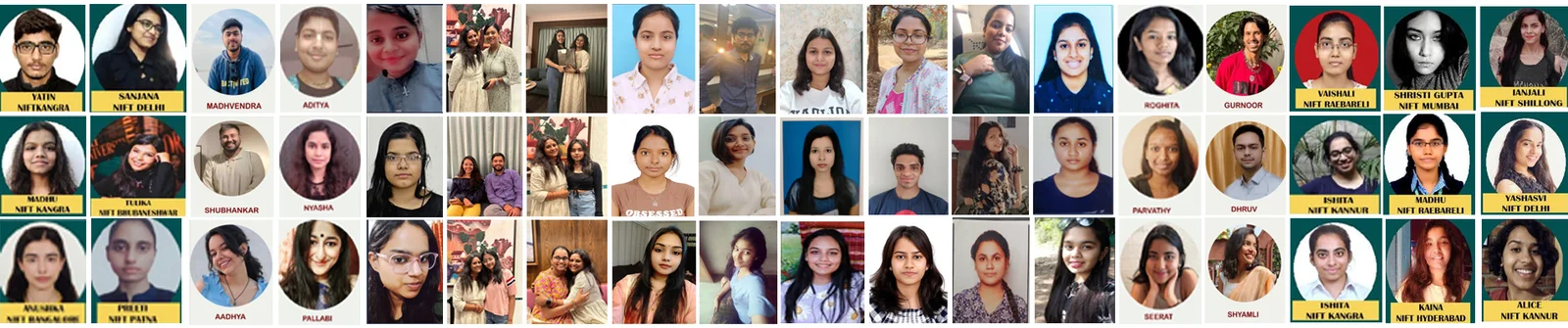
WHAT MAKES SANYUKTA STUDIO #1 IN NIFT/NID ENTRANCE
Highest Selection Ration of 92% in 2025-26 NIFT NID Entrance Exam. 100+ Selection in UCEED, 300+ Selection in NID and 1500+ Selection in NIFT
Expert Mentors
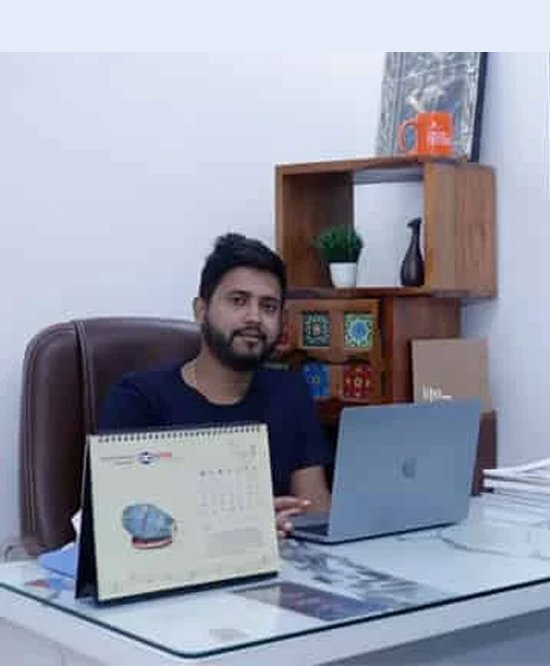
Director & Engineer
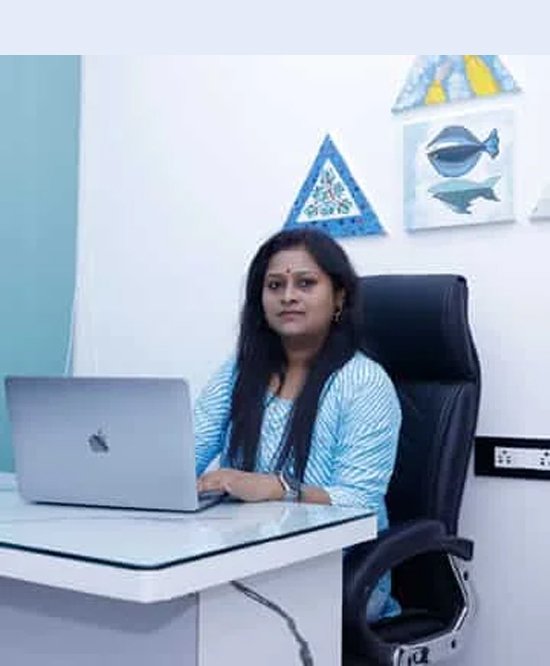
Communication Designer
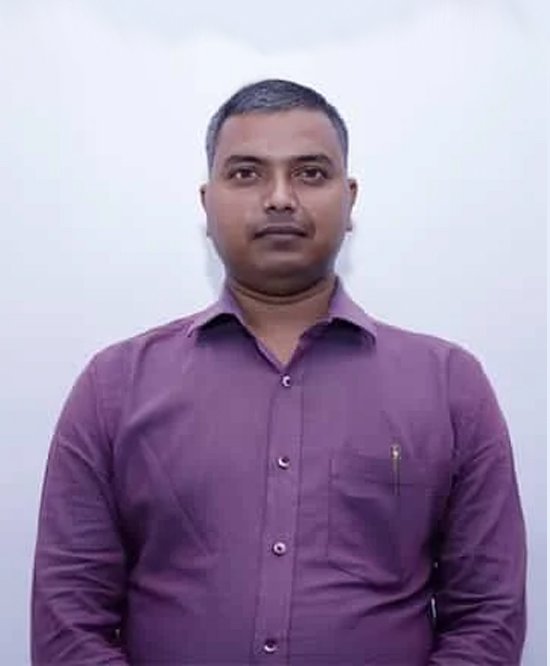
IITian, Maths Olympiad Winner
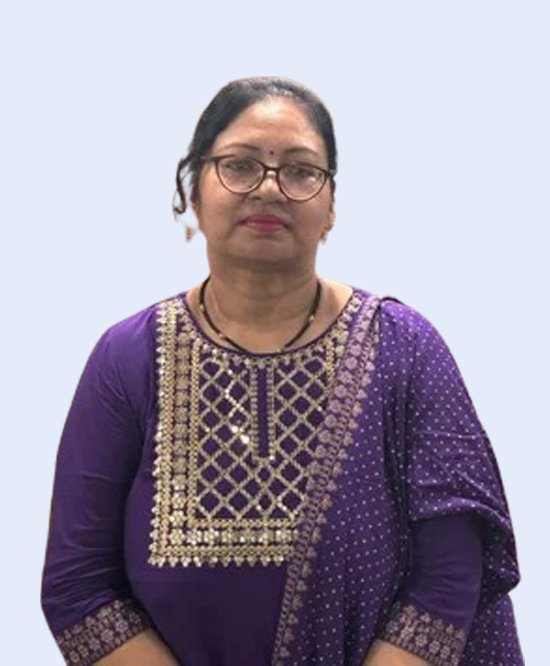
Communication Trainer
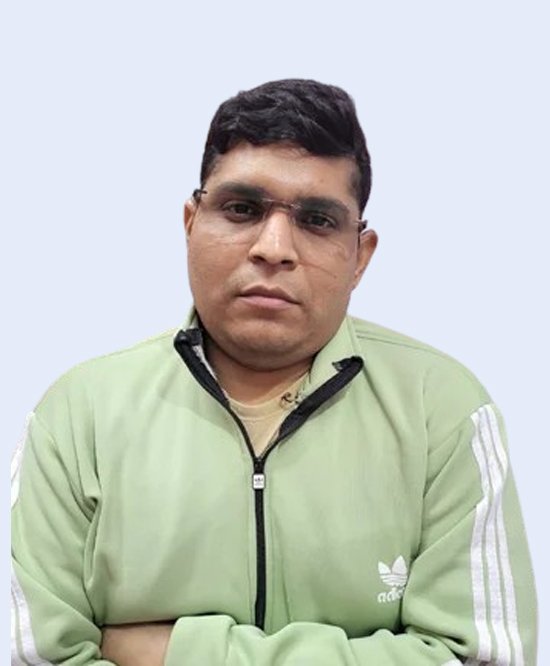
Advance Math (UPSC)
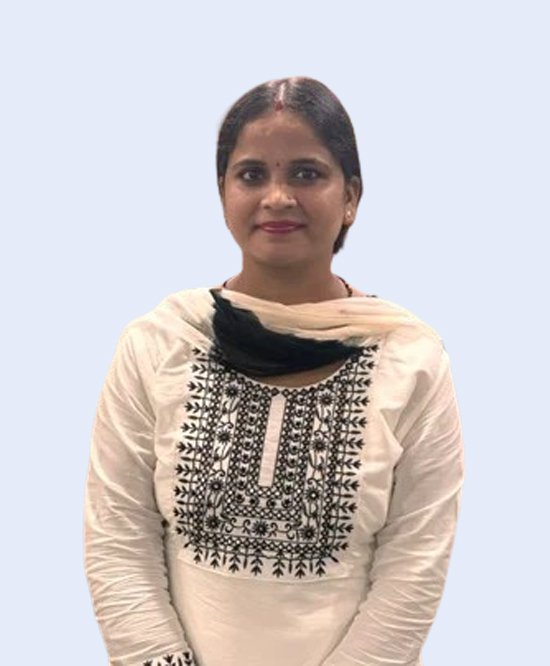
Verbal, Non Verbal Reasoning (SSC)
Aptitude Math (SSC)
Technical Creative Faculty